
Weight & Nutrition
Food Freedom & Emotional Eating

Food Freedom
Food freedom means making choices without guilt while maintaining health. Emotional eating often fills non-physical needs. Understanding triggers restores control. Awareness replaces restriction.
Try This Today
For Real
Is This Your Story?
Emotional Eating
Emotional eating is driven by stress hormones and dopamine-seeking behavior. Restriction often worsens binge cycles.
Lab trends may show insulin and triglyceride fluctuations during repeated emotional eating patterns.
Building awareness and alternative coping strategies reduces reliance on food for comfort.
METABOLIC U
Our Daily Health Snapshots

Metabolic Health
Do you know what metabolic health is?Metabolic Health = how smoothly your body turns food into steady energy.Mini Teaching:Your metabolism is your body’s energy management system — the way every cell converts food into usable power. When it runs smoothly, energy stays...

Hyperlipidemia: Lipid-Targeted Supplements Update
Lifestyle factors remain the foundation of lipid management. Supplements should be viewed as supportive tools rather than primary solutions.
Hypertension: Anti-Inflammatory Diet & Blood Pressure
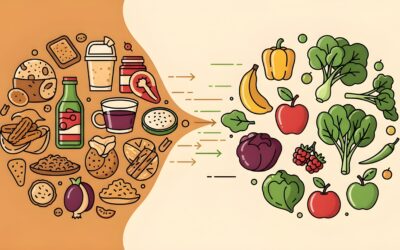
While sodium often receives most of the attention, chronic inflammation can damage blood vessels, impair circulation, and contribute to elevated blood pressure.

Men’s Health: Summer Hydration for Performance
Men often suppress emotional stress, leading to burnout and metabolic decline. Mental health directly influences physical health outcomes. Addressing emotional well-being improves resilience. Strength includes self-awareness.