
Hypertension
Travel Tips for Blood Pressure Control

Blood Pressure and Travel
Try This Today
For Real
Is This Your Story?
Hydration
METABOLIC U
Our Daily Health Snapshots

Metabolic Health
Do you know what metabolic health is?Metabolic Health = how smoothly your body turns food into steady energy.Mini Teaching:Your metabolism is your body’s energy management system — the way every cell converts food into usable power. When it runs smoothly, energy stays...

Hyperlipidemia: Lipid-Targeted Supplements Update
Lifestyle factors remain the foundation of lipid management. Supplements should be viewed as supportive tools rather than primary solutions.
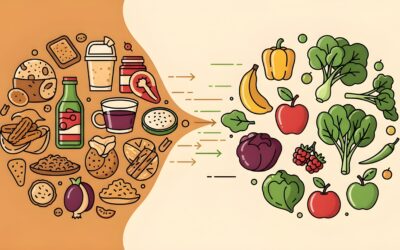
Hypertension: Anti-Inflammatory Diet & Blood Pressure
While sodium often receives most of the attention, chronic inflammation can damage blood vessels, impair circulation, and contribute to elevated blood pressure.

Men’s Health: Summer Hydration for Performance
Men often suppress emotional stress, leading to burnout and metabolic decline. Mental health directly influences physical health outcomes. Addressing emotional well-being improves resilience. Strength includes self-awareness.