
Diabetes
Diet Soda & Insulin Response

Artificial Sweeteners
Diet soda is often viewed as metabolically neutral. However, artificial sweeteners can still influence insulin response and cravings. Effects vary between individuals. Awareness guides smarter choices.
Try This Today
For Real
Is This Your Story?
Sweet Taste Receptors
Artificial sweeteners stimulate sweet taste receptors, potentially increasing insulin release and appetite. They may alter gut microbiota and glucose regulation.
Lab trends sometimes show insulin resistance despite low sugar intake.
Reducing reliance improves metabolic signaling.
METABOLIC U
Our Daily Health Snapshots

Metabolic Health
Do you know what metabolic health is?Metabolic Health = how smoothly your body turns food into steady energy.Mini Teaching:Your metabolism is your body’s energy management system — the way every cell converts food into usable power. When it runs smoothly, energy stays...
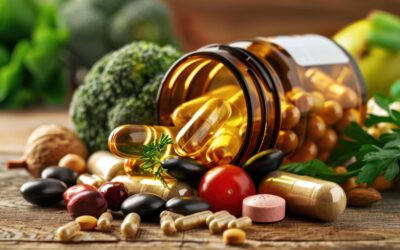
Hyperlipidemia: Lipid-Targeted Supplements Update
Lifestyle factors remain the foundation of lipid management. Supplements should be viewed as supportive tools rather than primary solutions.
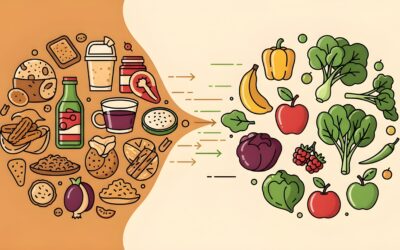
Hypertension: Anti-Inflammatory Diet & Blood Pressure
While sodium often receives most of the attention, chronic inflammation can damage blood vessels, impair circulation, and contribute to elevated blood pressure.

Men’s Health: Summer Hydration for Performance
Men often suppress emotional stress, leading to burnout and metabolic decline. Mental health directly influences physical health outcomes. Addressing emotional well-being improves resilience. Strength includes self-awareness.