
Hypertension
Heat & Blood Pressure

Summer
Many people assume blood pressure only rises during winter, but summer presents its own challenges. Heat, dehydration, medication effects, and electrolyte losses can significantly impact blood pressure control. Understanding these seasonal influences helps prevent complications.
Heat causes blood vessels to dilate in an effort to cool the body. This can lower blood pressure temporarily, but dehydration may trigger compensatory mechanisms that ultimately stress the cardiovascular system.
Try This Today
For Real
Is This Your Story?
The Group Effect
Social support improves medication adherence, lifestyle follow-through, and stress regulation. Isolation increases cortisol and sympathetic nervous system activation, raising BP.
Monitoring trends often show better BP stability in individuals with regular accountability or group engagement.
Support does not replace responsibility—it reinforces it.
METABOLIC U
Our Daily Health Snapshots

Metabolic Health
Do you know what metabolic health is?Metabolic Health = how smoothly your body turns food into steady energy.Mini Teaching:Your metabolism is your body’s energy management system — the way every cell converts food into usable power. When it runs smoothly, energy stays...

Hyperlipidemia: Lipid-Targeted Supplements Update
Lifestyle factors remain the foundation of lipid management. Supplements should be viewed as supportive tools rather than primary solutions.
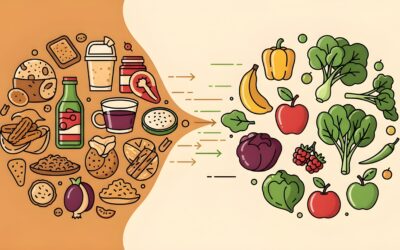
Hypertension: Anti-Inflammatory Diet & Blood Pressure
While sodium often receives most of the attention, chronic inflammation can damage blood vessels, impair circulation, and contribute to elevated blood pressure.

Men’s Health: Summer Hydration for Performance
Men often suppress emotional stress, leading to burnout and metabolic decline. Mental health directly influences physical health outcomes. Addressing emotional well-being improves resilience. Strength includes self-awareness.