
mental health
Burnout – Signs and Solutions

Burnout
Burnout affects both emotional and metabolic health in ways that are often overlooked. Chronic stress and prolonged mental strain elevate cortisol levels, disrupt sleep cycles, and impair insulin sensitivity. Over time, this hormonal imbalance can increase inflammation, promote abdominal fat accumulation, and reduce energy production at the cellular level. What begins as emotional exhaustion can quietly evolve into metabolic dysfunction.
Try This Today
If you feel consistently tired despite adequate sleep, pause before pushing harder. Schedule one intentional recovery action today — a 15-minute walk outdoors, a screen-free wind-down routine, or a brief breathing exercise. Recovery is not a reward; it is a metabolic requirement.
For Real
Is This Your Story?
A high-performing professional notices fatigue and detachment but pushes harder. Over time, weight increases and blood pressure rises. When boundaries, scheduled recovery, and counseling are introduced, mood improves and metabolic labs stabilize.
Not Aging
Many people mistake burnout for laziness, lack of discipline, or simply “getting older.” In reality, burnout is a physiological stress response that requires recovery — not criticism. Recognizing early signs such as persistent fatigue, disrupted sleep, reduced motivation, and increased cravings allows for intervention before deeper metabolic consequences develop. Addressing stress, improving sleep, and restoring recovery habits can prevent long-term decline and rebuild resilience.
METABOLIC U
Our Daily Health Snapshots

Metabolic Health
Do you know what metabolic health is?Metabolic Health = how smoothly your body turns food into steady energy.Mini Teaching:Your metabolism is your body’s energy management system — the way every cell converts food into usable power. When it runs smoothly, energy stays...

Hyperlipidemia: Lipid-Targeted Supplements Update
Lifestyle factors remain the foundation of lipid management. Supplements should be viewed as supportive tools rather than primary solutions.
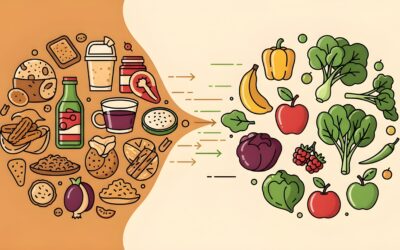
Hypertension: Anti-Inflammatory Diet & Blood Pressure
While sodium often receives most of the attention, chronic inflammation can damage blood vessels, impair circulation, and contribute to elevated blood pressure.

Men’s Health: Summer Hydration for Performance
Men often suppress emotional stress, leading to burnout and metabolic decline. Mental health directly influences physical health outcomes. Addressing emotional well-being improves resilience. Strength includes self-awareness.