
Hypertension: Blood Pressure & Exercise – What Works
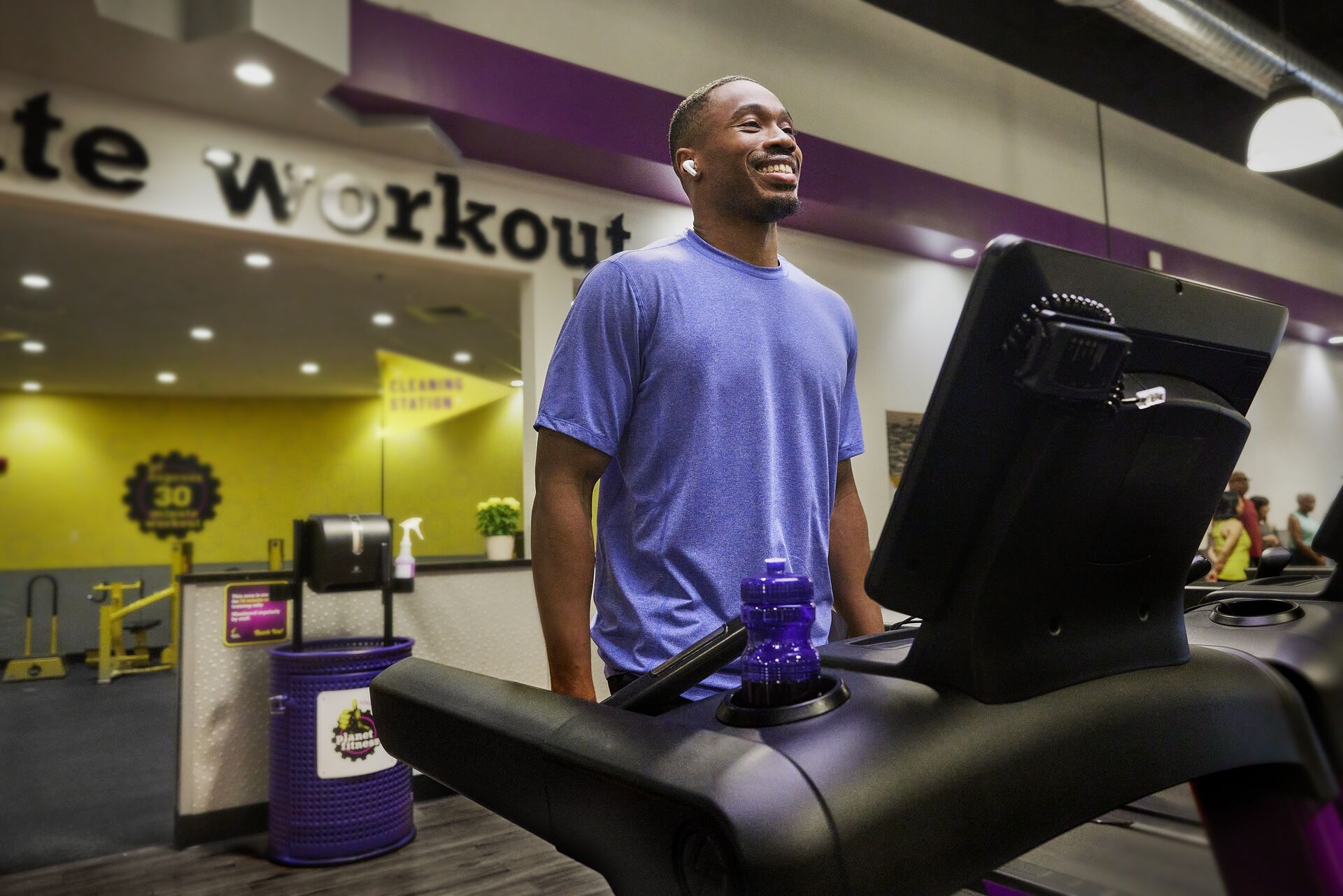
Choose movement that calms your system today: a 10–20 minute brisk walk, light resistance training, or gentle cycling. Consistency beats intensity when it comes to protecting your blood vessels and lowering blood pressure long-term.
Exercise is one of the most powerful non-medication tools for lowering blood pressure because it directly improves how blood vessels function. When you move your body, blood flow increases, vessels become more flexible, and the nervous system shifts out of a constant stress response. This makes exercise a cornerstone of long-term blood pressure control, not just a temporary fix.
That said, not all exercise affects blood pressure in the same way. Extremely intense or poorly timed workouts can actually spike pressure, especially when stress and poor sleep are already present. Moderate, consistent activities—such as walking, resistance training, and controlled aerobic exercise—tend to produce the most reliable improvements in vascular health.
Metabolic U
This isn’t about starting over — it’s about stepping forward with clarity. Check out some of the many topics we’ve covered.
Quick Links
What plan is best for you?
Why Healthy U Academy is right for you.
What telemedicine offers?
About Us
For Real
A 55-year old begins daily high-intensity workouts to lower blood pressure. Instead, readings become more erratic due to poor recovery and high stress. When training shifs to brisk walking and resistance training three times weekly, blood pressure steadily declines and remains controlled without medication changes.